Land Buying & Acquisition
7 Things to Check Before Buying Vacant Land
By Byrom Development Group ·
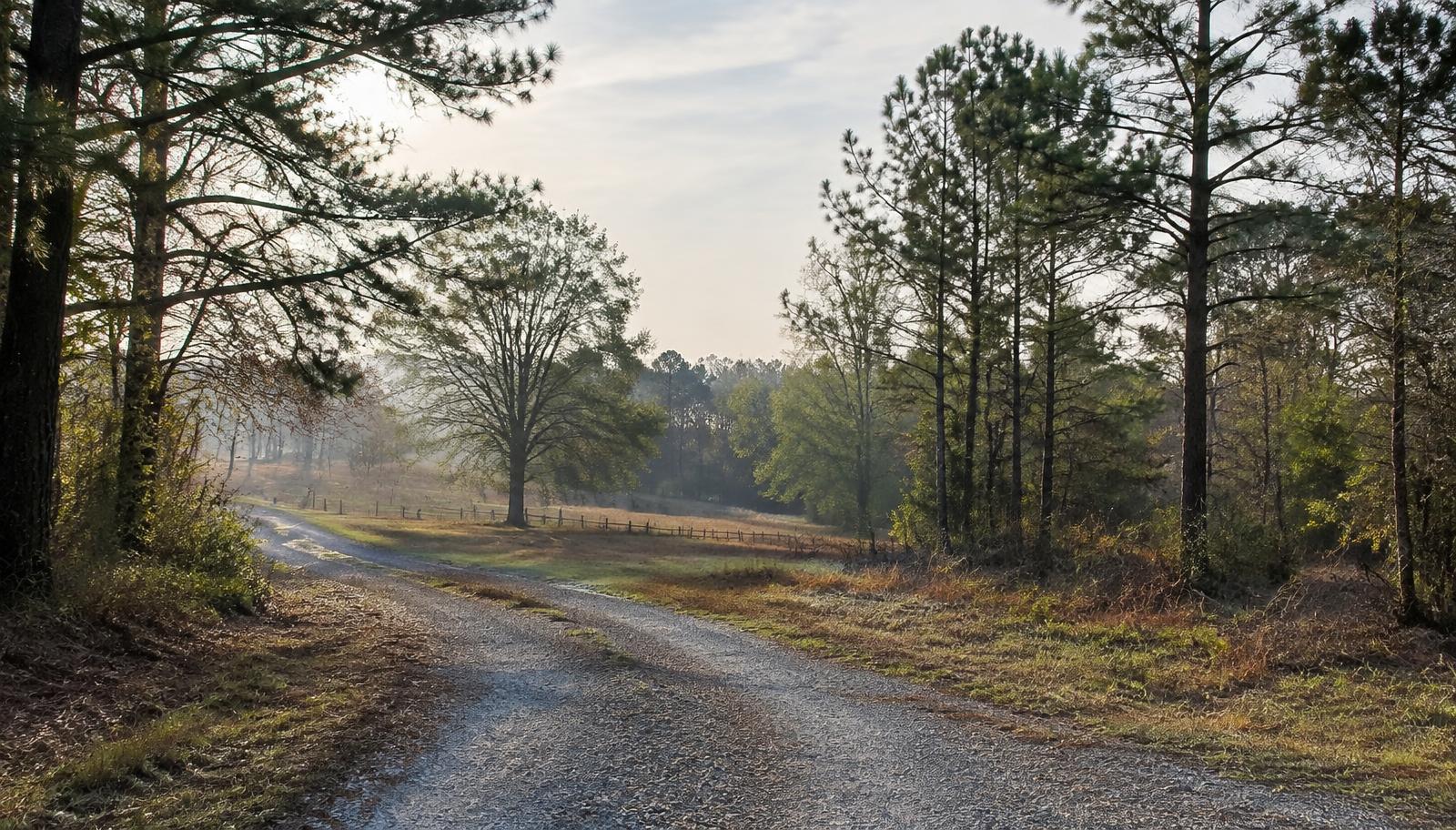
Vacant land often looks simple. The work is in confirming what the listing does not say.
1. Zoning and permitted uses
Confirm the zoning district and whether your intended use is allowed by right.
2. Legal access
Make sure the parcel touches a public road or has a recorded access easement.
3. Utilities
Check whether public water and sewer are available, or whether septic and a well would be needed — and whether the soil may support a septic system.
4. Flood zones and wetlands
Review FEMA flood maps and wetland inventories. Mapped areas can restrict where and how you build.
5. Topography and soils
Steep slopes and poor soils can raise site-work costs or limit the buildable area.
6. Easements and restrictions
Utility easements, deed restrictions and HOA covenants can limit use beyond zoning.
7. Taxes and title
Confirm the tax status and order a title search before closing.
Most of these items need confirmation from the county, a surveyor or a title professional. A Raw Land Review helps you organize what to verify first.
This article is general education, not legal, zoning or engineering advice. Rules vary by jurisdiction and change over time.
Know What You Can Build Before You Buy.
Research your property's zoning, development restrictions, and potential deal killers with Buildable.
Analyze This Property