Zoning & Land Use
How to Find Out What You Can Build on Your Land
By Byrom Development Group ·
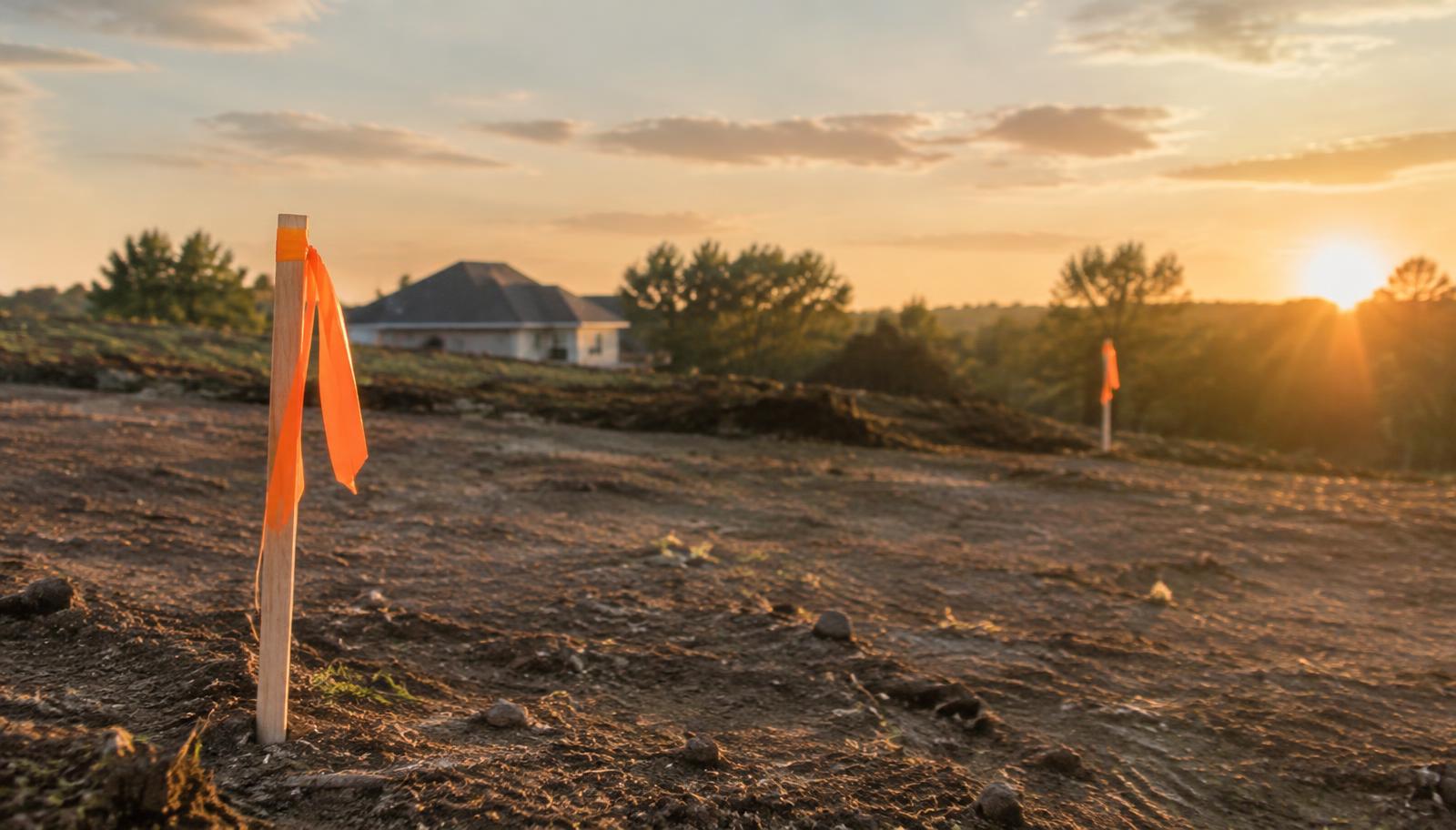
What you can build on a piece of land is shaped by several layers of rules and physical conditions. No single document answers the question, so it helps to work through them in order.
1. Confirm the parcel
Start with the county parcel record: parcel ID, legal boundaries, acreage and current owner. Every later step depends on looking at the right parcel.
2. Identify the zoning district
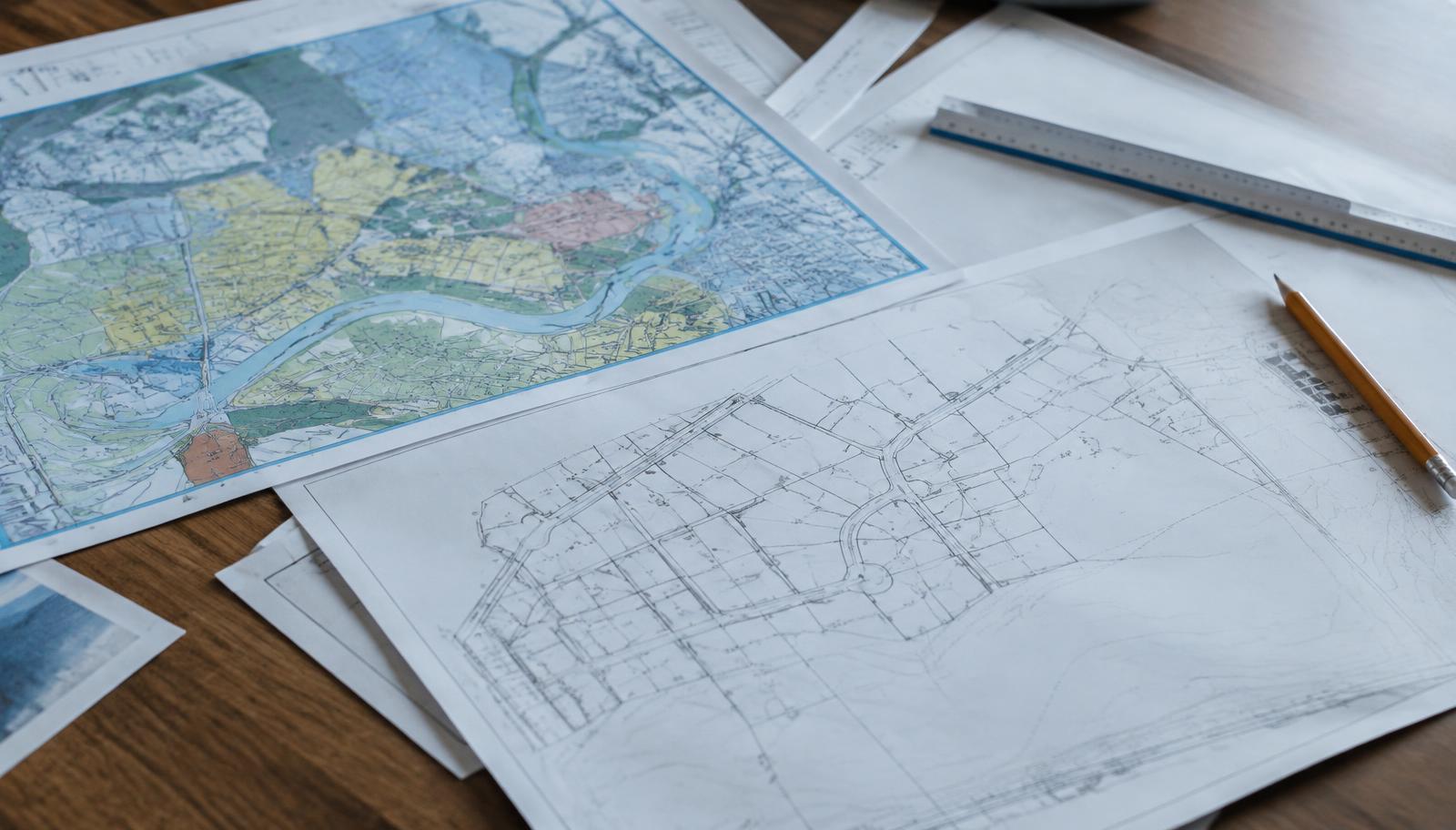
The local zoning map shows which district applies. The district determines permitted uses — for example single-family homes, duplexes or commercial uses — and which uses require special approval.
3. Read the dimensional standards
Each district sets minimum lot size, lot width, setbacks, maximum height and lot coverage. These rules define the area where a building can actually go.
4. Check overlays and constraints
Overlay districts, flood zones, wetlands, stream buffers, steep slopes and easements can reduce the usable area even when the base zoning allows a use.
5. Confirm utilities and access
Public water, sewer or septic suitability, and legal road access often decide whether a plan is practical.
6. Verify with the jurisdiction
Online maps are a starting point. Confirm conclusions with the local planning department and, where needed, a surveyor, engineer or land-use attorney.
A Buildable review organizes these layers into one source-backed report so you can see potential deal killers early.
This article is general education, not legal, zoning or engineering advice. Rules vary by jurisdiction and change over time.
Know What You Can Build Before You Buy.
Research your property's zoning, development restrictions, and potential deal killers with Buildable.
Analyze This Property